

Teeth Whitening in Wheaton, IL: Clear Options for a Brighter Smile
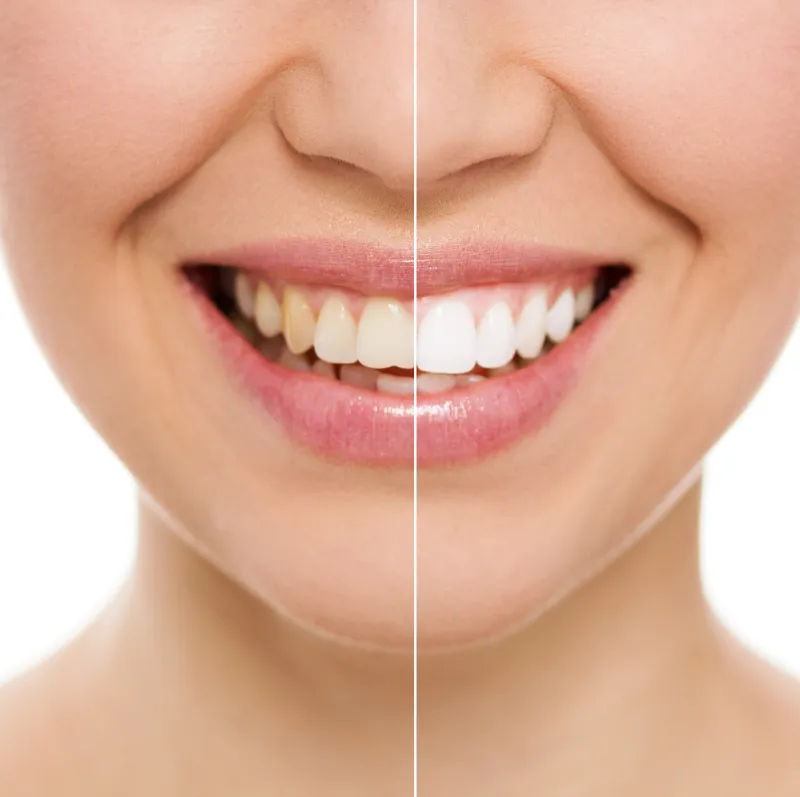
Patients seeking teeth whitening in Wheaton, Illinois, often want safe, predictable ways to lift stains and boost confidence. This guide outlines how professional whitening works, who it helps, and what to expect before and after treatment.
What Is Teeth Whitening?
Teeth whitening is a cosmetic dental treatment that uses professional bleaching agents to lighten natural tooth enamel. Most systems rely on hydrogen peroxide or carbamide peroxide to break apart stain molecules. External discoloration from coffee, tea, red wine, and tobacco responds especially well. Professional whitening is different from over-the-counter strips or pastes. In-office supervision allows stronger gels, customized application, and strategies to reduce sensitivity.
How Teeth Whitening Can Help You
- Noticeable shade improvement in a short time.
- Customized planning for your stain type and smile goals.
- Even, natural-looking brightness rather than patchy results.
- Guidance on sensitivity prevention and aftercare.
- Predictable outcomes with professional-strength gels.
The Teeth Whitening Process
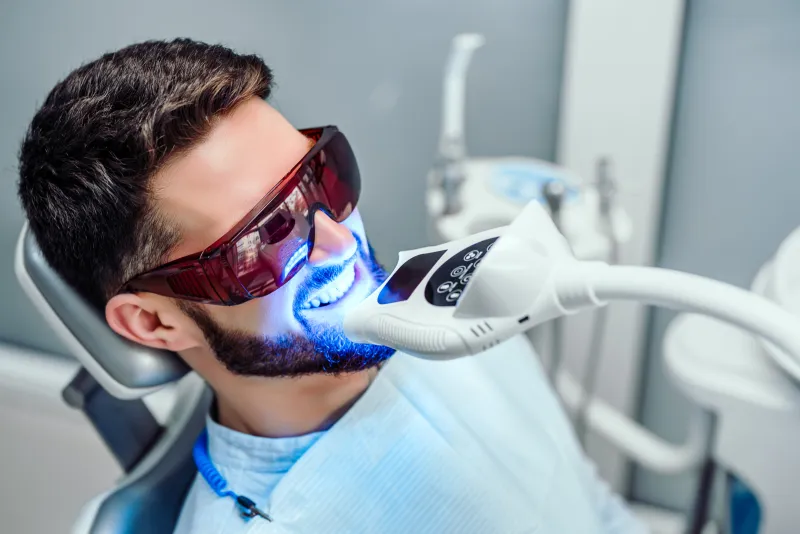
In-Office Whitening: Most appointments begin with a shade check and photographs for comparison. Teeth are isolated to protect lips and gums, then a professional gel is applied in short intervals. Many patients notice a difference after one visit.
Custom Take-Home Trays
Custom whitening trays are made from impressions or scans of your teeth. You will receive syringes of gel in a strength matched to your needs. Many people whiten for 10 to 60 minutes per day over one to two weeks. This option allows flexible scheduling and convenient touch-ups in the future.
What to Expect
Most appointments last about 60 to 90 minutes for in-office care. Take-home plans require brief daily wear time. Mild, temporary tooth sensitivity is the most common side effect and often resolves within 24 to 48 hours.
Whitening does not change the color of dental restorations. Crowns, veneers, and tooth-colored fillings will remain the same shade. Our dentist will discuss whether to whiten first and update visible restorations later for the best match.
With good home care and occasional touch-ups, many patients maintain results for 6 to 24 months. Avoiding dark foods and drinks for the first 48 hours supports a stable outcome.
Teeth Whitening Explained: Safety and Candidacy
When performed under dental supervision, whitening is considered safe for healthy teeth and gums. A short exam identifies issues such as cavities, gum inflammation, or enamel cracks that should be addressed first. People with significant tooth wear, recession, or untreated sensitivity may need a gentler approach. Whitening is not recommended for children and is generally postponed during pregnancy unless our general dentists and team advise otherwise.
If you are comparing in-office vs take-home whitening, consider timing, sensitivity risk, and maintenance. In-office care delivers rapid results, while custom trays offer control and affordable long-term touch-ups. Many patients combine both for initial brightening and easy maintenance.