

Tooth Extractions in Wheaton, IL

Tooth extractions in Wheaton, Illinois, are sometimes recommended to relieve pain, control infection, or prepare for other dental treatments. At our local office, patients can schedule straightforward care and clear guidance for every step, including appointments with Dr. Rebecca Hausten or Dr. Rachael Cole.
Tooth Extractions Explained
A tooth extraction is the removal of a tooth from the socket in the jawbone. Our dentist and team offer two main types: simple extractions for teeth visible above the gumline and surgical extractions for teeth that are broken at the gumline, severely decayed, or impacted. While saving a natural tooth is often the goal, an extraction may be the safest choice when a tooth is too damaged to restore.
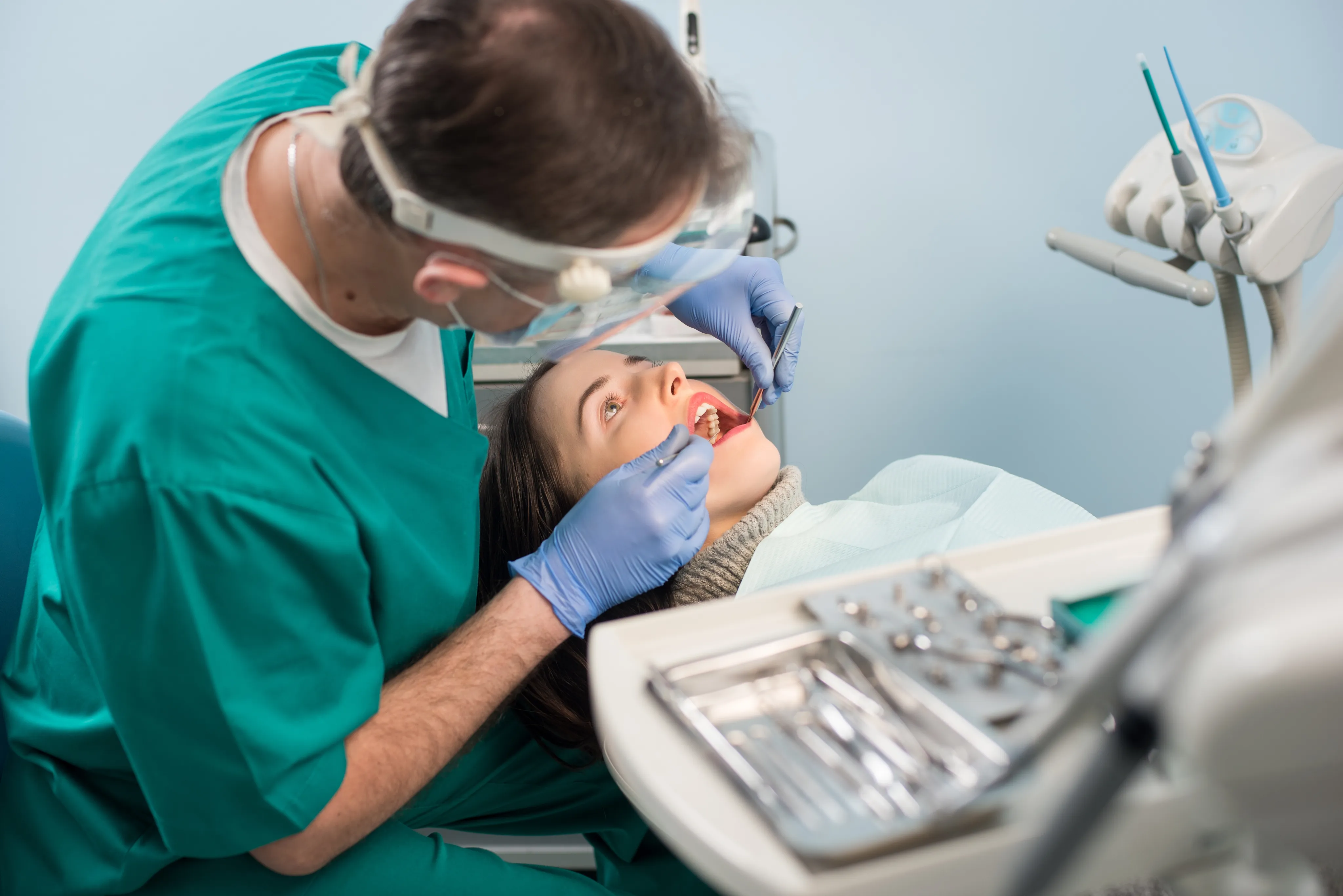
Why Consider Tooth Extraction?
- Relieving pain from severe decay, infection, or fracture.
- Preventing the spread of infection to adjacent teeth or bone.
- Creating space for orthodontic alignment when crowded.
- Improving gum health when a tooth is too loose from periodontal disease.
- Eliminating recurring inflammation around impacted wisdom teeth.
How Tooth Extractions Work
The process begins with an exam and X-rays to map the tooth's roots and surrounding structures. Local anesthesia numbs the area, and additional comfort options, such as nitrous oxide, may be available. For a simple extraction, the tooth is gently loosened and lifted from the socket. For a surgical extraction, a small incision may be made, and the tooth could be sectioned for easier removal.
In some cases, socket preservation (a small bone graft placed in the socket) is recommended to help maintain bone volume for a future implant. Our dentist will explain why this may or may not be helpful in your situation.
What to Expect Before and After Extraction
After the tooth is removed, gauze is placed to control bleeding and help a clot form. Mild swelling and soreness are common for one to three days. Most people return to normal daily activities within 24 to 48 hours.
- Bite gently on the gauze pad for the time advised.
- Rest and keep your head elevated the first evening.
- Avoid smoking and do not use straws for at least 72 hours.
- Choose soft, cool foods and stay well hydrated.
- Rinse with warm saltwater after 24 hours unless told otherwise.
- Take prescribed or recommended pain medication as directed.