

Digital X-Rays in Wheaton, IL: Clear, Fast Dental Imaging
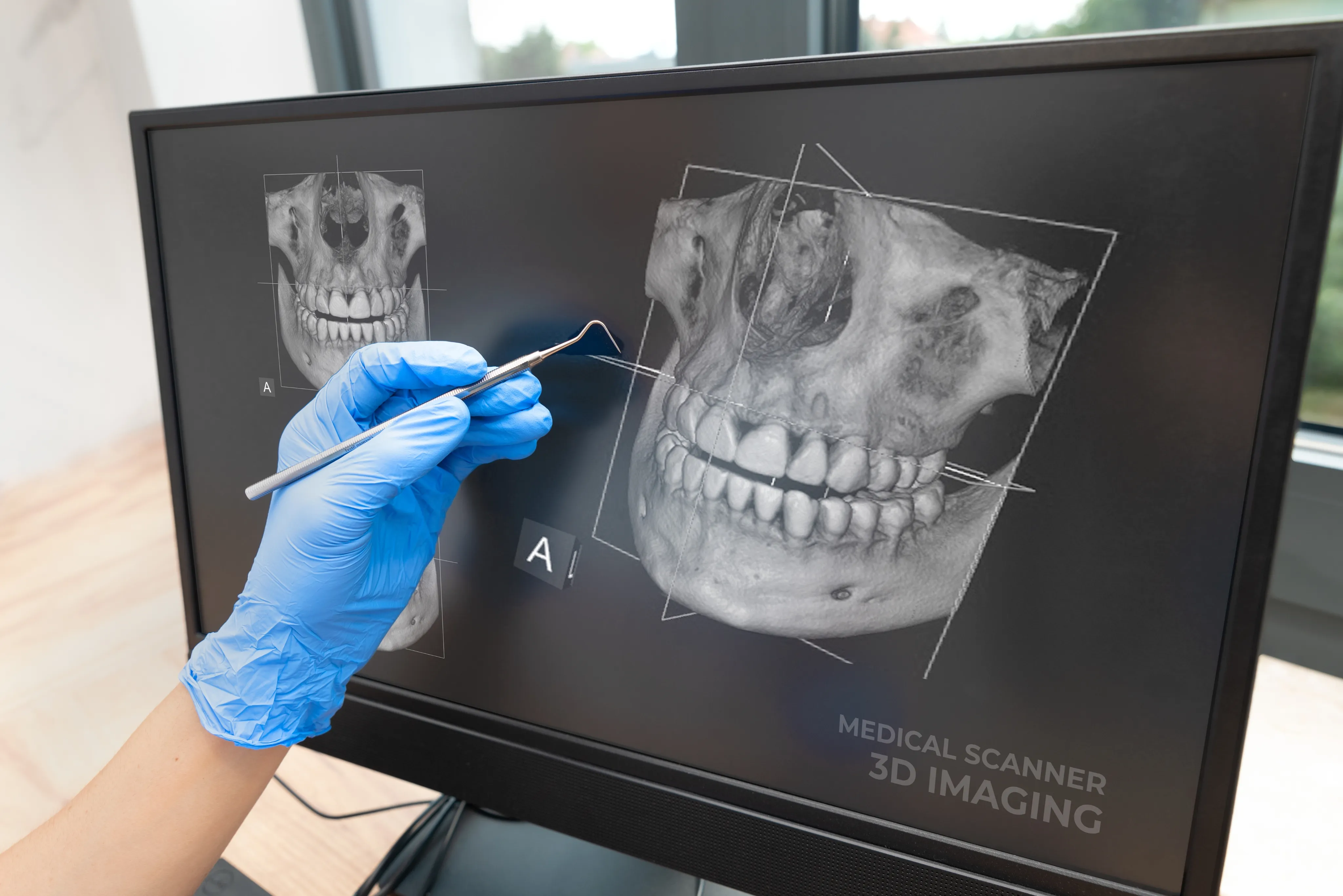
Digital X-rays in Wheaton, Illinois, help patients see what is happening beneath the surface of their teeth and gums. At our local dental office, these images guide diagnosis and treatment planning so cavities, infections, and bone changes are identified early.
Digital X-Rays Explained
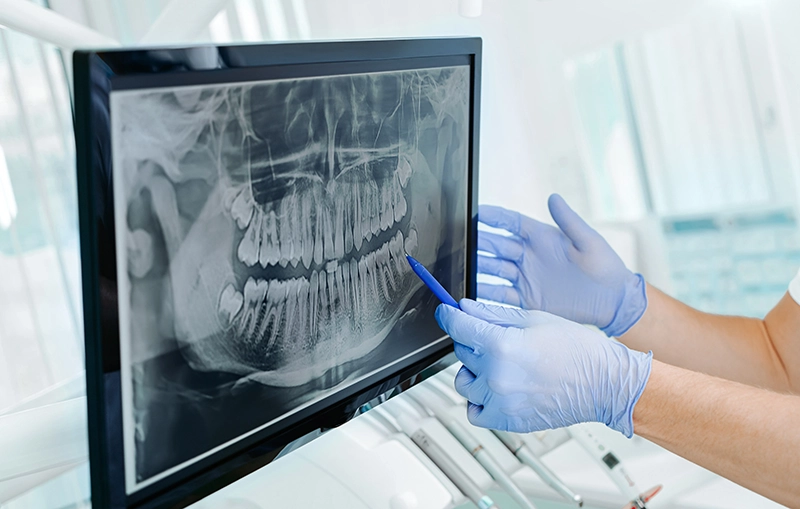
Digital X-rays use an electronic sensor instead of traditional film to capture images of your teeth and jaws. The sensor connects to a computer, allowing our dentist to view high-resolution pictures within seconds. Common types include bitewing images for detecting decay between teeth, periapical views for the tooth root and surrounding bone, and panoramic images that show the entire mouth, jaw joints, and sinuses in one scan.
Why Consider Digital X-Rays?
- Lower radiation exposure, typically reduced by up to 50–80% compared with conventional film.
- Immediate images that speed up exams and minimize time in the chair.
- High-definition detail that supports accurate diagnosis and earlier care.
- No chemical processing, making the process cleaner and more environmentally friendly.
- Easy sharing with specialists if a referral is needed.
The Digital X-Ray Process
The process is simple and quick. A lead apron with a thyroid collar is placed for protection. A small sensor is positioned inside your mouth for intraoral images, and you gently bite to hold it in place. The X-ray unit is aligned, and the image is taken in a fraction of a second. For panoramic images, you stand or sit while the machine moves around your head to capture a comprehensive view. Most sets are complete in a few minutes, and our dentist can show you what was found on screen right away.
Your X-Ray Experience: What to Expect
Slight pressure from the sensor is normal. If you have a strong gag reflex or a small mouth, tell the team so positioning can be adjusted and shorter sensors can be used. Digital X-rays are safe for most patients. Radiation exposure is low and sensors are covered with a disposable barrier for hygiene.
After imaging, our dentist reviews the results with you on a chairside monitor. Areas of concern are highlighted and explained in plain language so you can make informed decisions about your care.