

Periodontal Treatment in Wheaton, IL: A Patient’s Guide
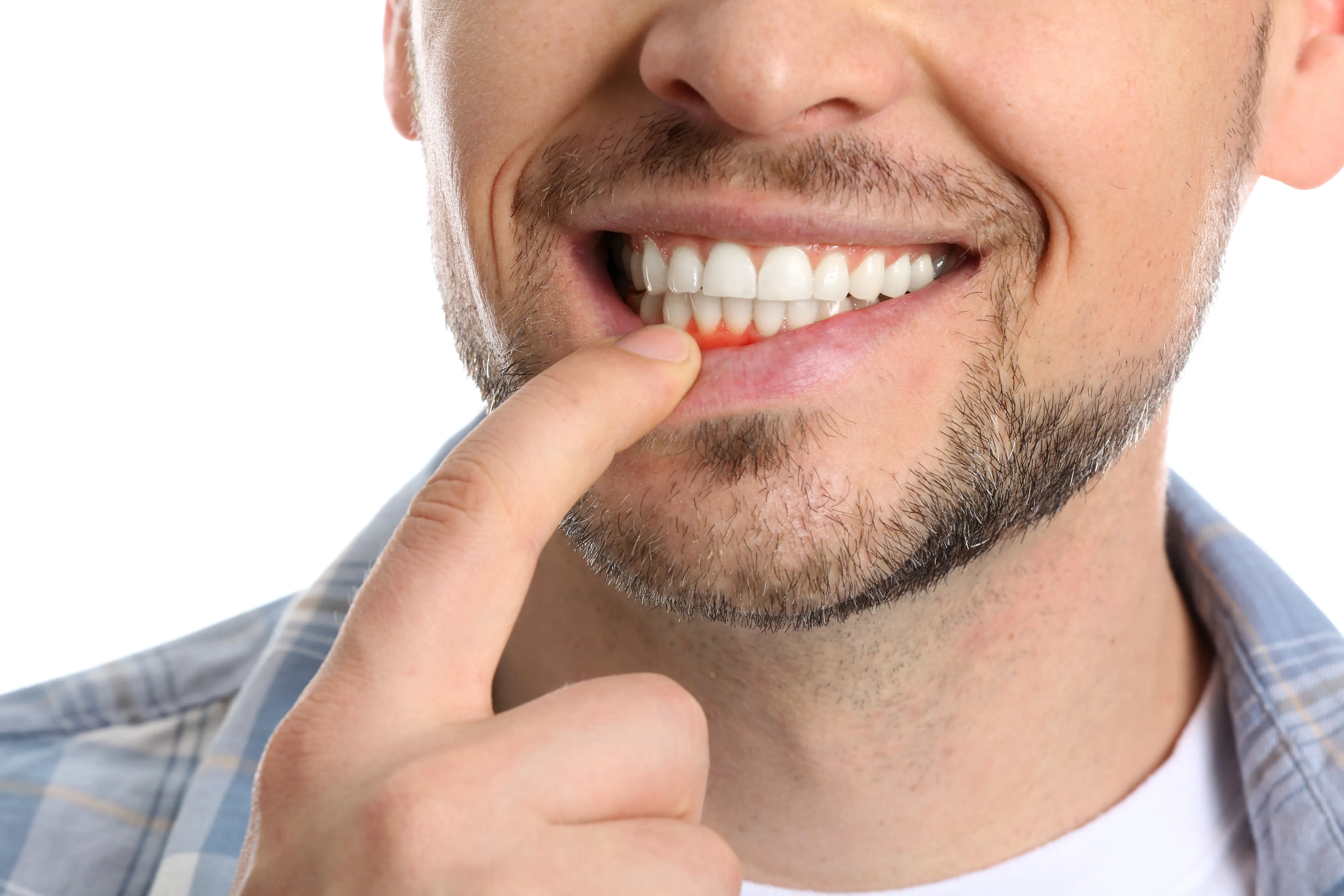
Periodontal treatment in Wheaton, Illinois, focuses on the health of your gums and the bone that supports your teeth. Patients can expect a careful evaluation, clear explanations, and step-by-step treatment designed to control infection and protect their smile for the long term.
Periodontal Care Explained
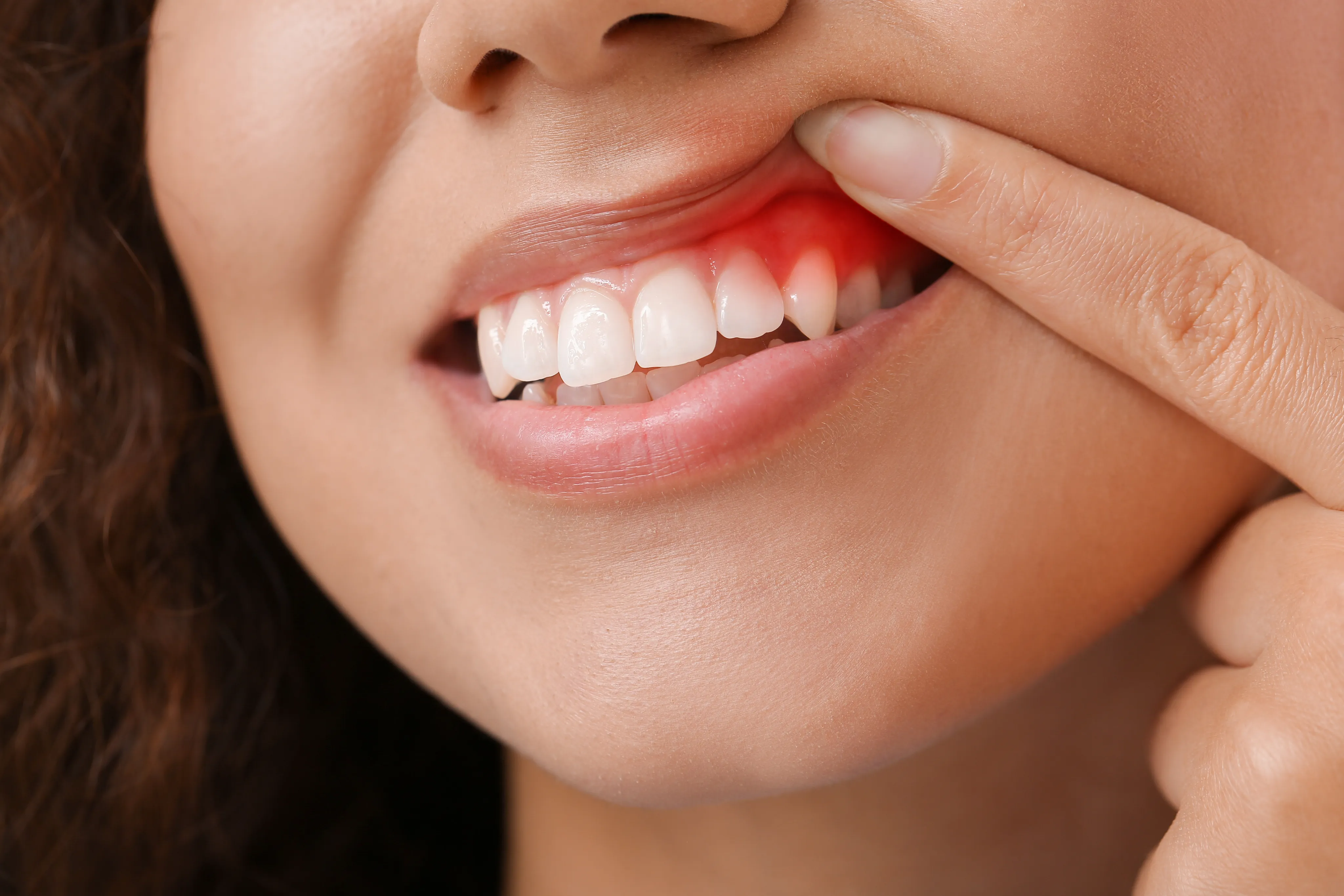
Periodontal disease begins when bacterial biofilm, called plaque, builds up along and under the gumline. Early inflammation is known as gingivitis. When inflammation extends deeper and damages the bone around teeth, it becomes periodontitis. Common signs of gum disease include bleeding gums, bad breath, gum recession, and tooth sensitivity.
How Periodontal Care Can Help You
- Reduces inflammation to protect the bone that supports your teeth.
- Removes plaque and hardened tartar that regular brushing cannot reach.
- Lowers the risk of tooth mobility and future tooth loss.
- Improves gum comfort and reduces bleeding during brushing and flossing.
- Supports fresher breath by addressing bacterial buildup under the gums.
- Creates shallower pockets that are easier to keep clean at home.
The Periodontal Treatment Process
Your treatment follows a structured approach:
Assessment & Diagnosis
Medical and dental history, gum measurements, and X-rays to determine whether gingivitis or periodontitis is present.
Non-Surgical Therapy
Scaling and root planing removes plaque and tartar below the gumline and smooths root surfaces for healing.
Re-Evaluation
About four to eight weeks after therapy, gums are re-measured to check for reduced bleeding and shallower pockets.
Periodontal Maintenance
Maintenance visits every three to four months to control biofilm, remove tartar, and monitor pocket depth.
Your Periodontal Care Experience
During scaling and root planing, numbing helps keep you comfortable. Most people return to normal activities the same day. After treatment, it is common to notice mild tenderness and temporary sensitivity to cold.
Rinsing with warm salt water, using sensitivity toothpaste, and avoiding hard or sticky foods for 24 hours can help. Consistent home care is essential—brush twice daily with a soft brush, clean between teeth with floss or interdental brushes, and consider a water flosser for hard-to-reach areas.